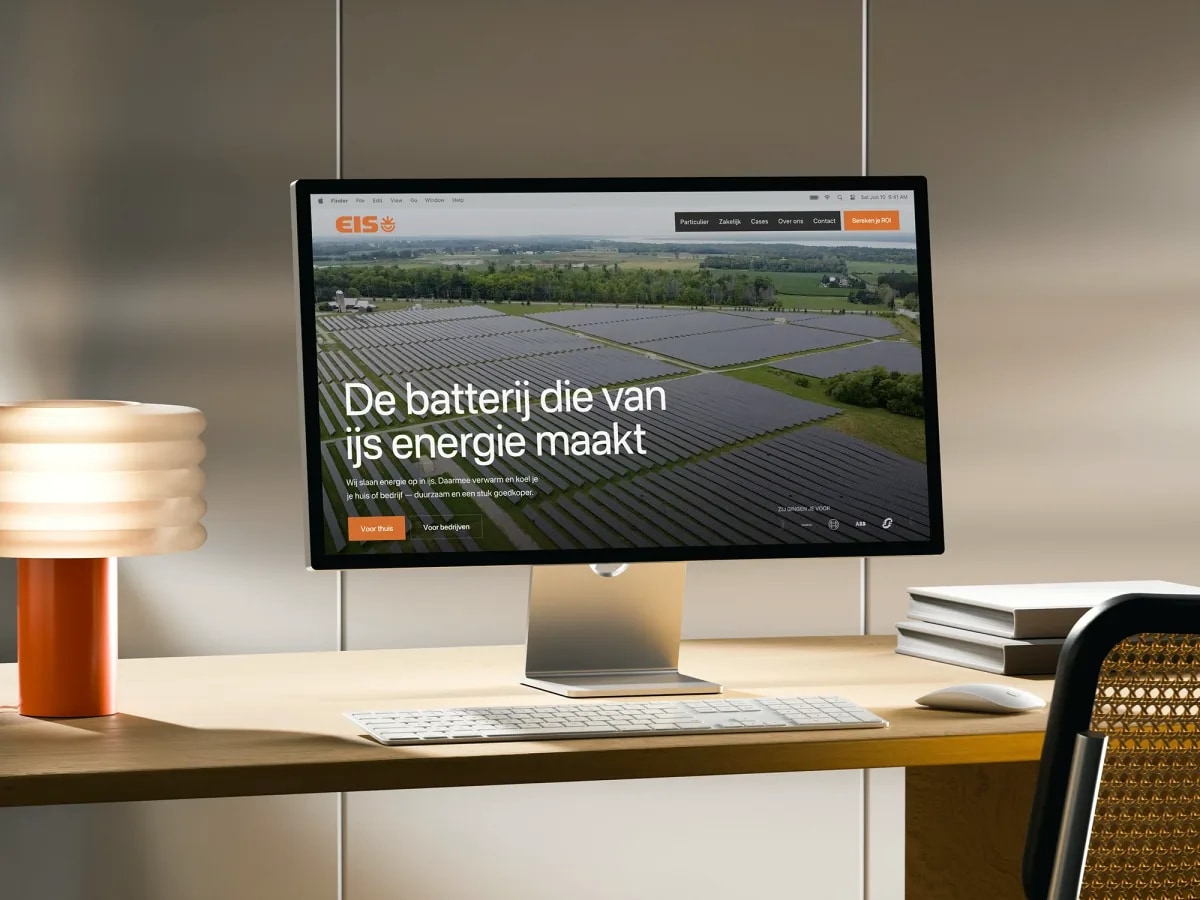
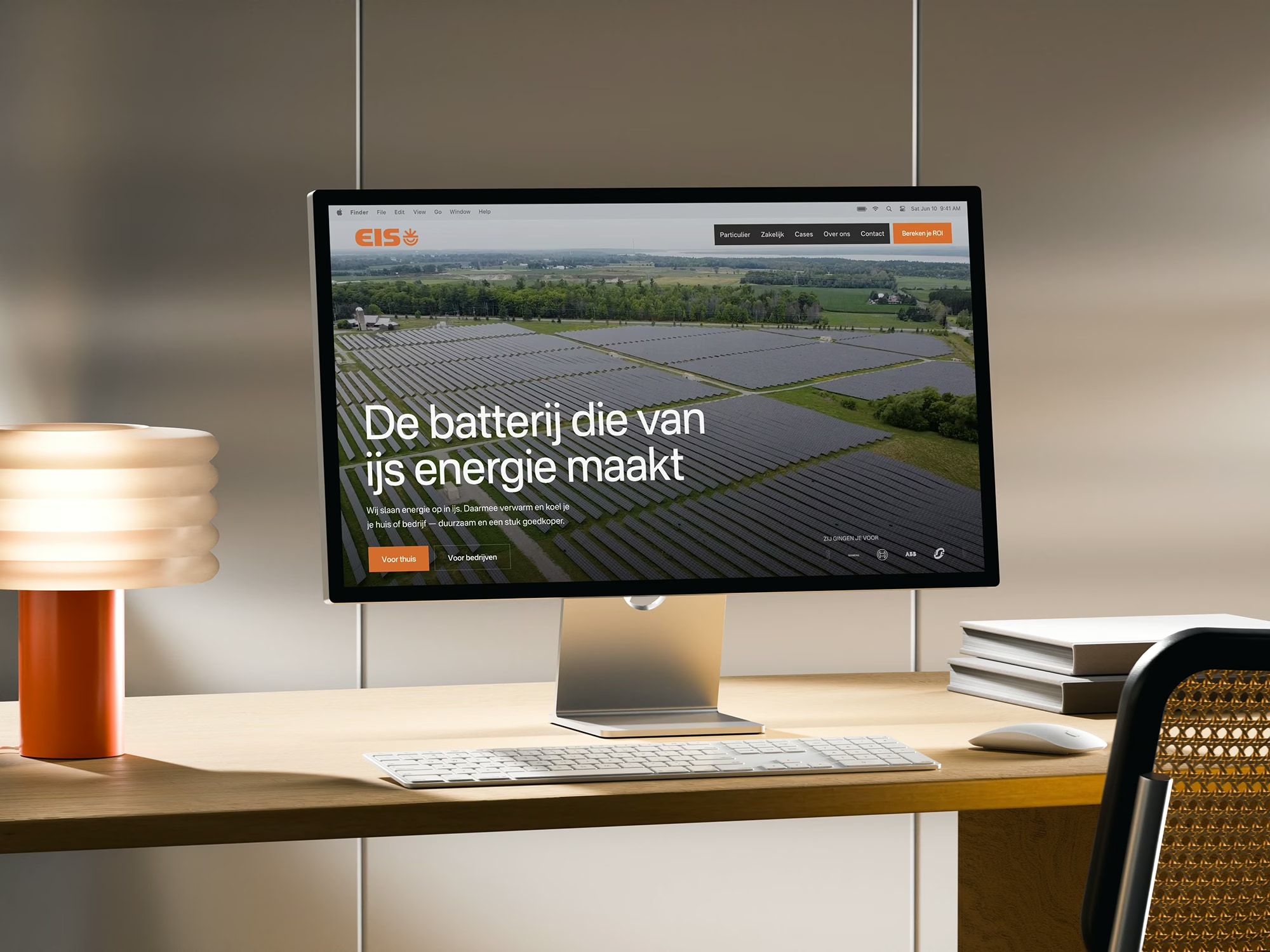

A sharp repositioning and a new website that finally show who EIS is.
Most brands have plenty to say. They are unclear because they want to say too much at once. We take out what holds up and cast it into a brand your own team can carry.
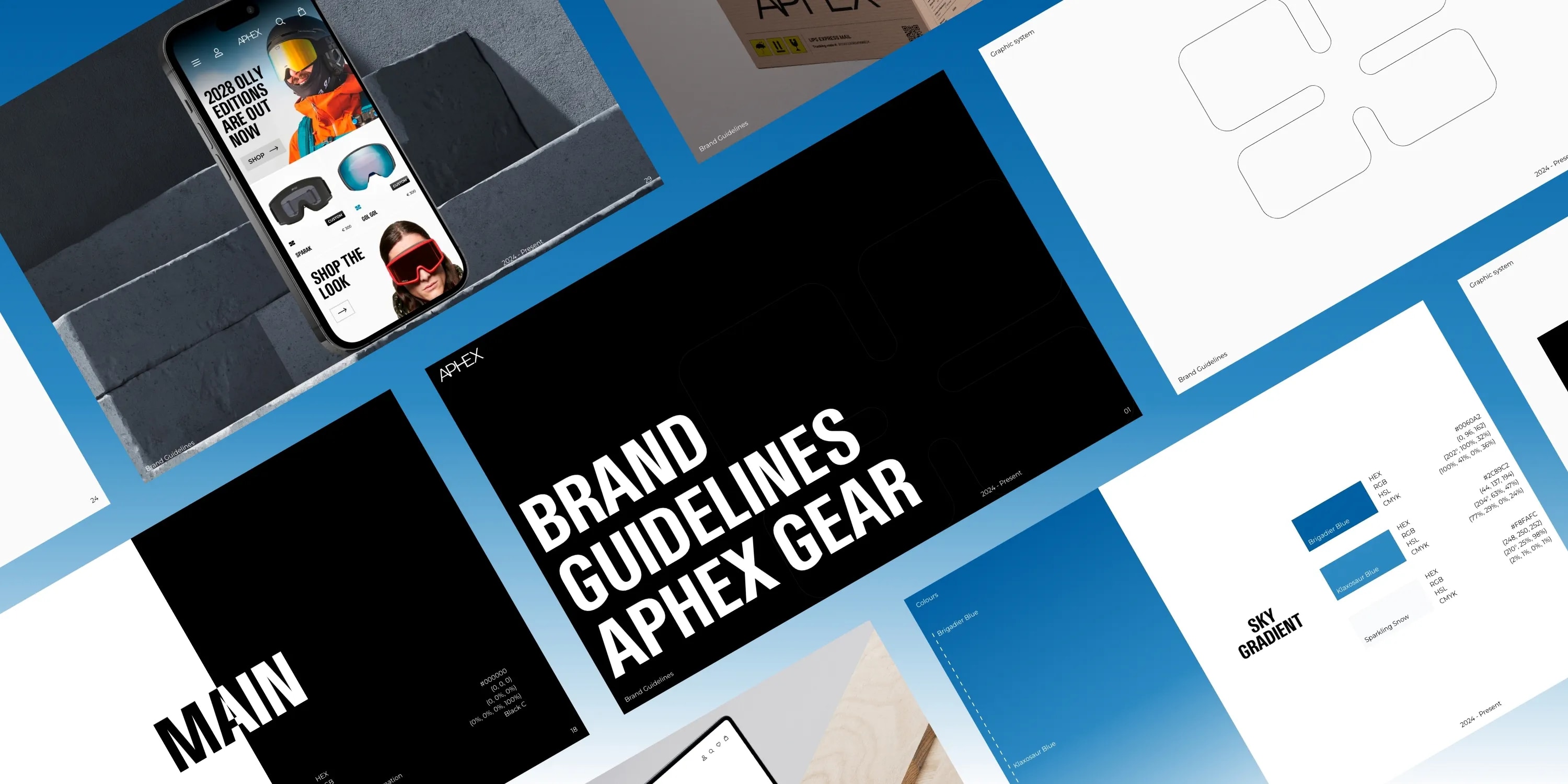
A brand is not a logo and not a colour palette. It is the answer to why someone picks you and not the other one. Only once that answer exists does the rest fall into place.
Four parts that follow on from each other: first the choice, then the form, then the tools to keep it up yourself.
01
Where do you stand, where do the others stand, and where is the room? We look at your market, your clients and your own story, and pick one position you can grow into, instead of keeping ten open because choosing is frightening.
02
Translating that choice into something you can see and hear: a story, a tone, a visual language. Recognisable, because it is about something. Pretty usually follows.
03
Logo, typography, colour, imagery and the rules around them. Written down so that you can hand it to a printer, a developer or a new colleague without it thinning out along the way.
04
A visual identity that does not sit in a PDF. We record the rules so that machines can read them too, which keeps the text, images and pages that get generated automatically inside your style instead of next to it.
How it runs
01
Conversations with you, your team and your clients. What do they say about you when you are not in the room? That is where a positioning starts. A moodboard comes much later.
02
We put a few routes side by side and choose one. A brand that can go anywhere points nowhere.
03
A visual identity is only finished when other people can work with it. So we deliver rules and building blocks. Loose images are of little use to anyone.
A sharp repositioning and a new website that finally show who EIS is.
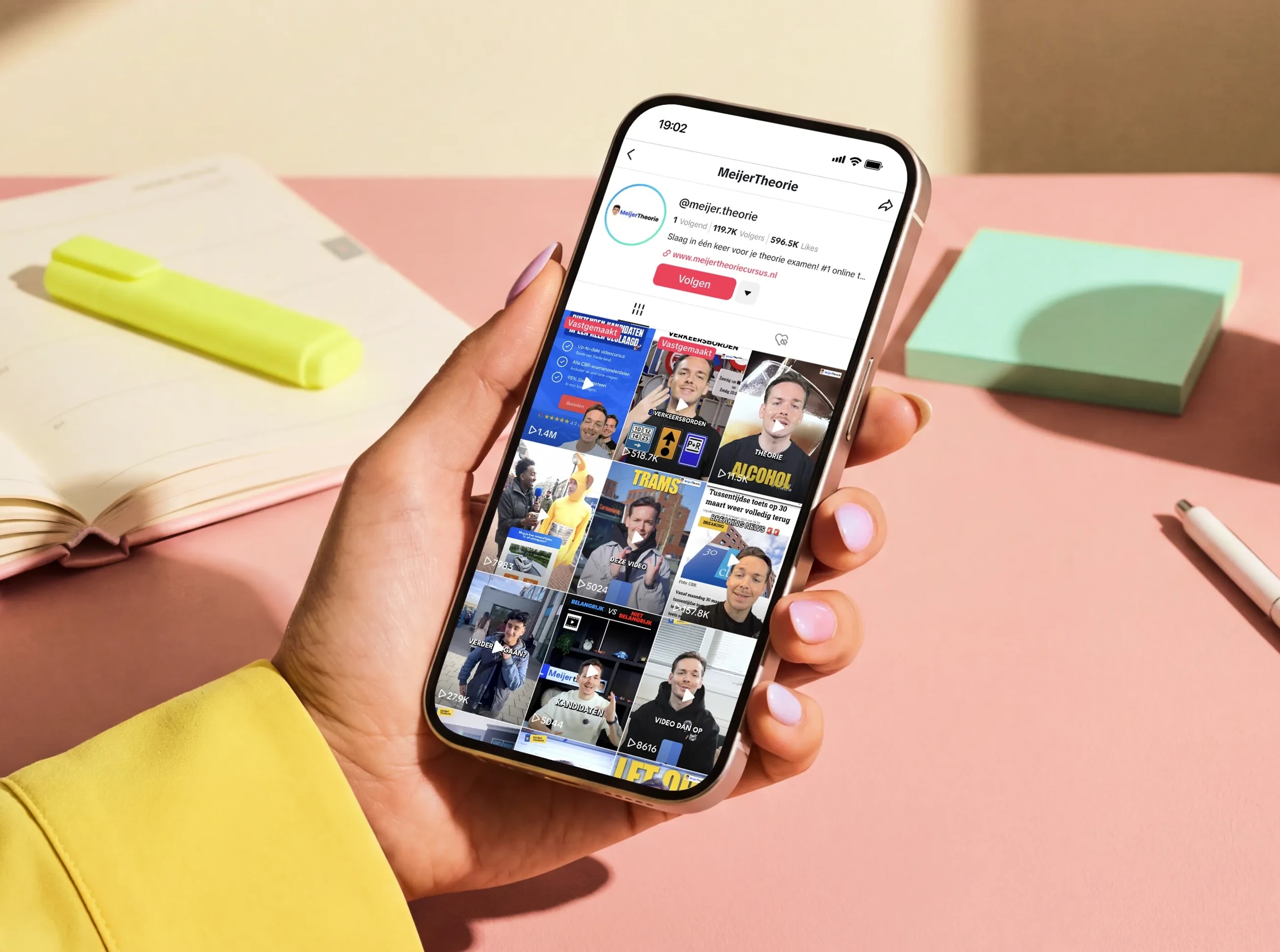
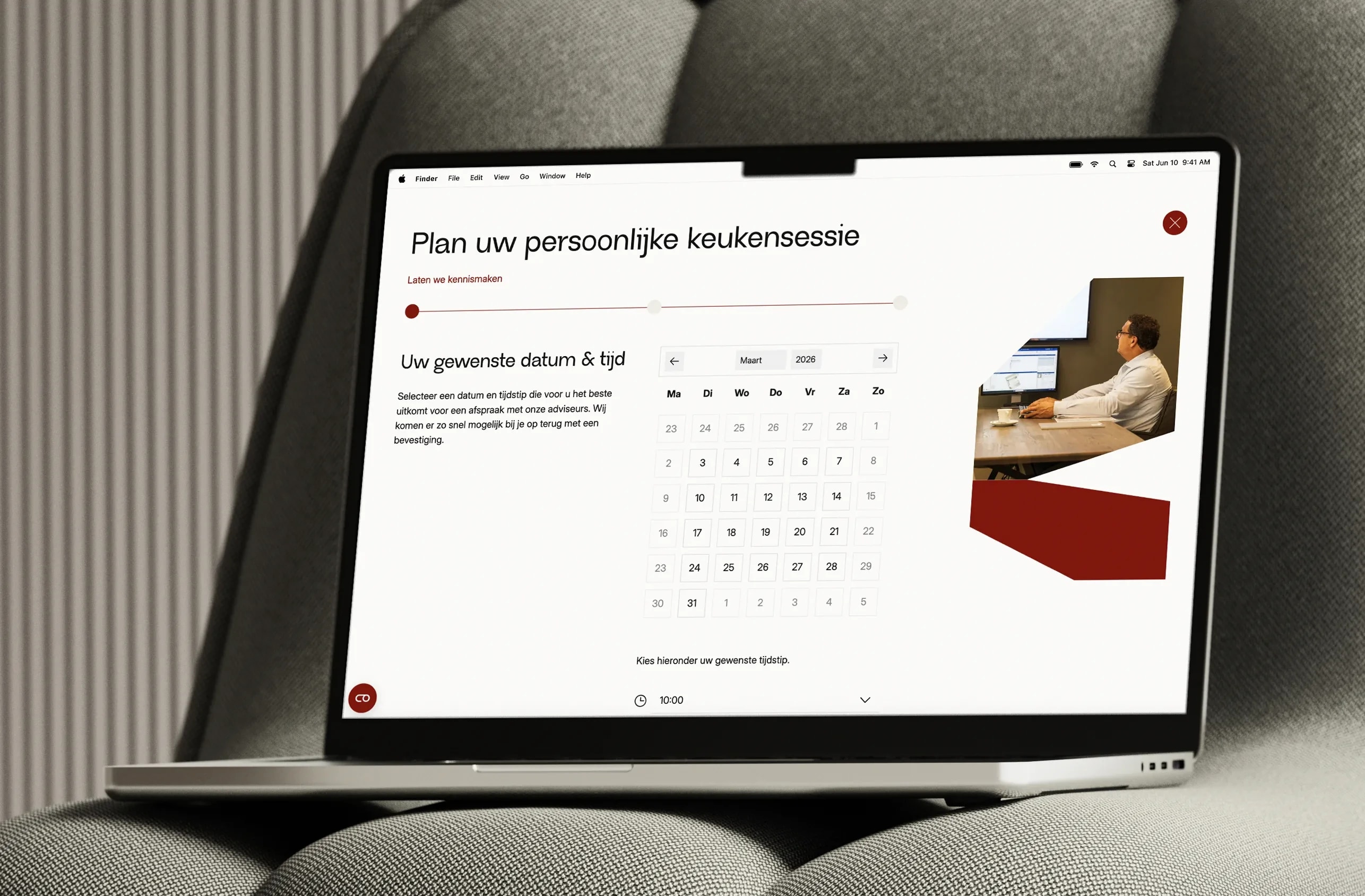
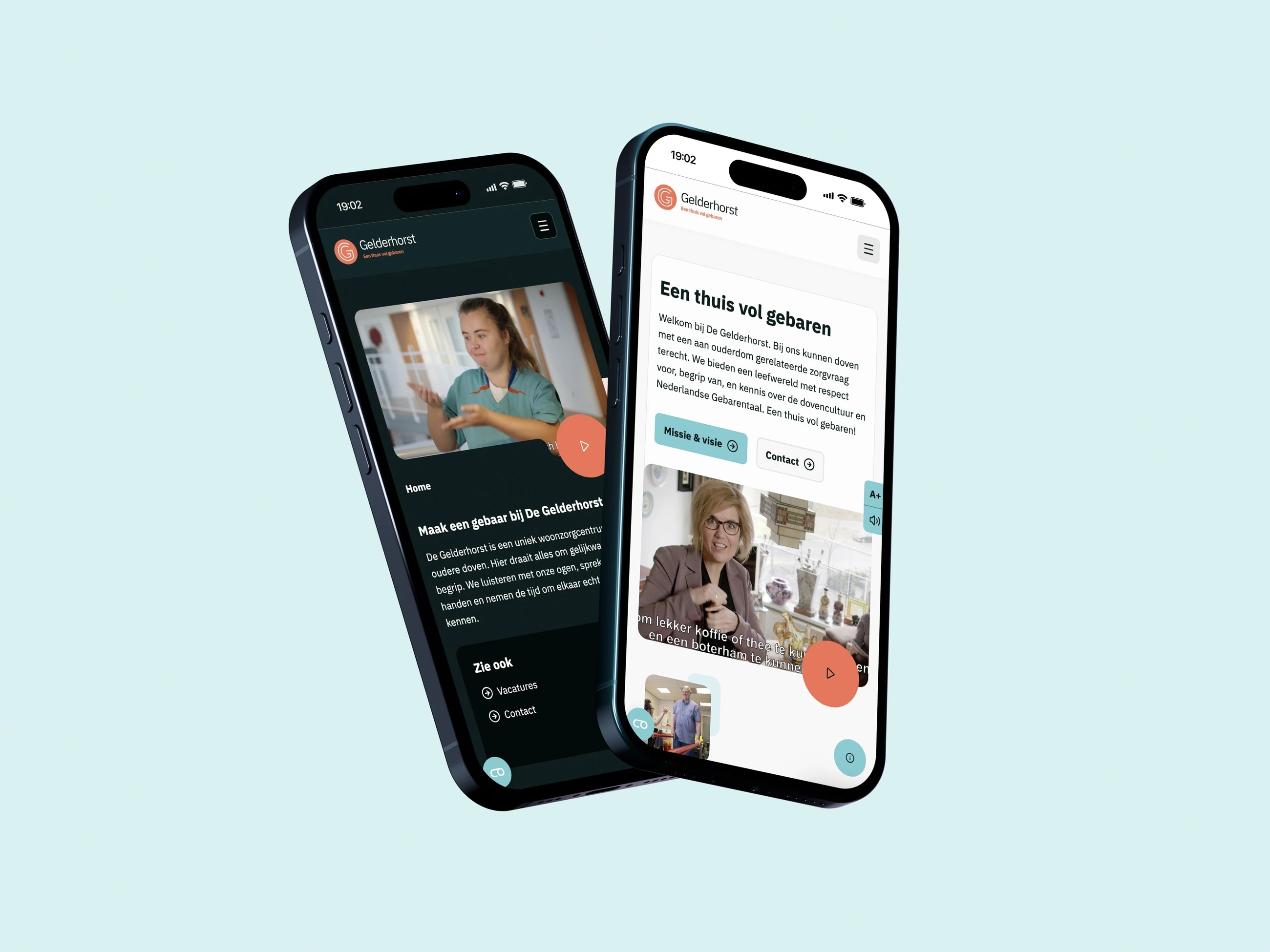

An accessible platform for older deaf people, with its own sign language translation module
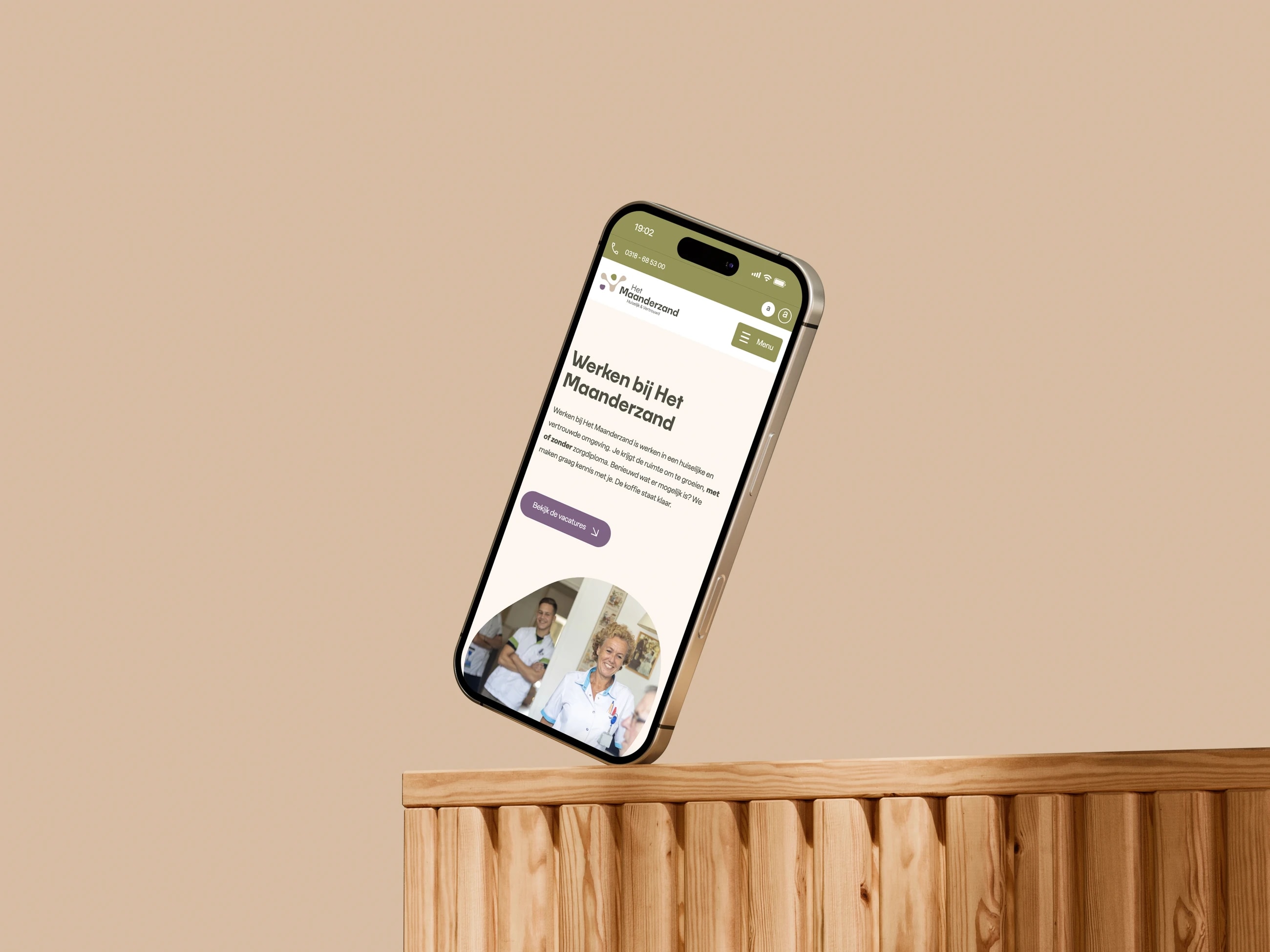

Rebranding back to the core, plus two platforms: one for residents, one for new colleagues
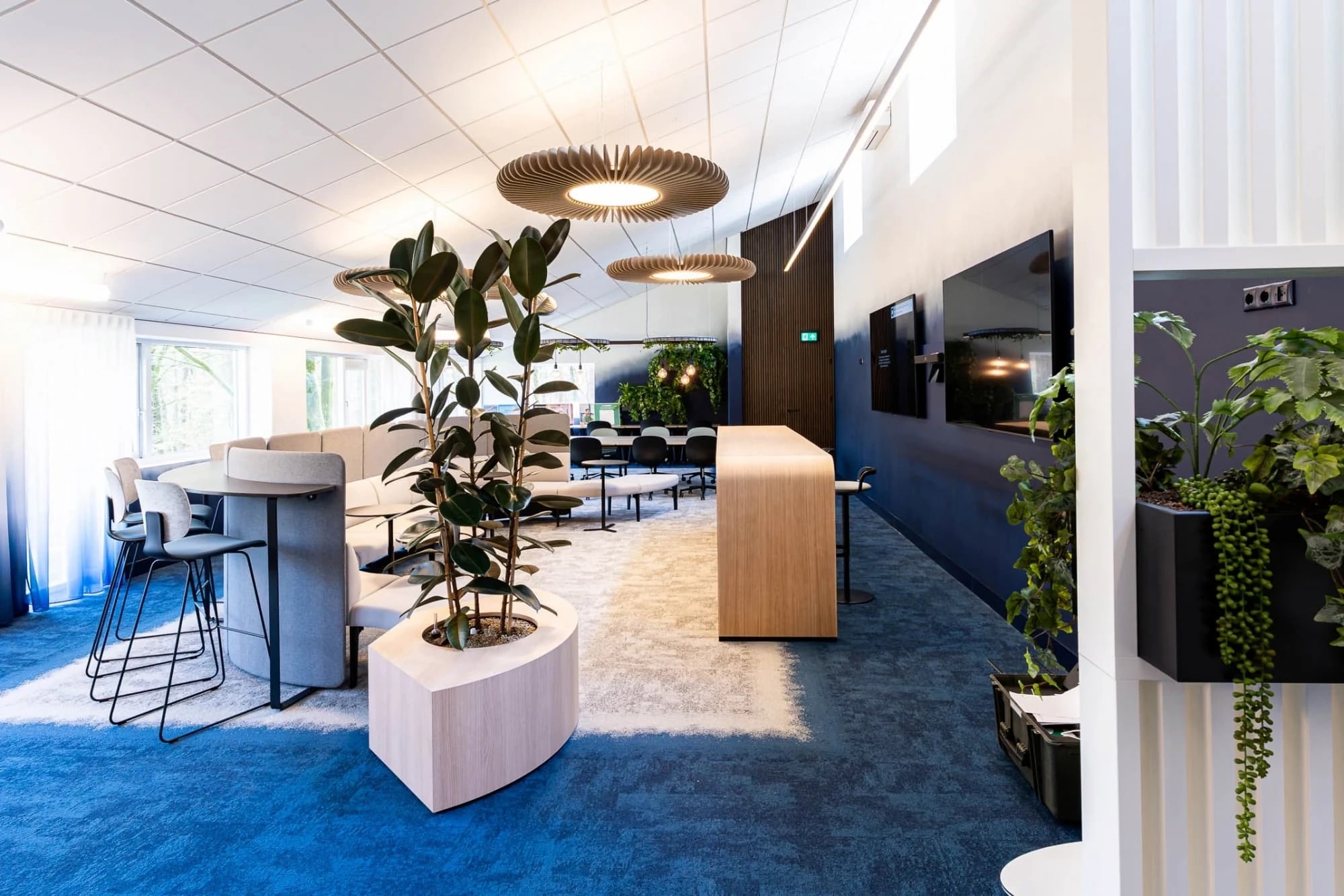

From supplier to adviser: new positioning, brand and platform
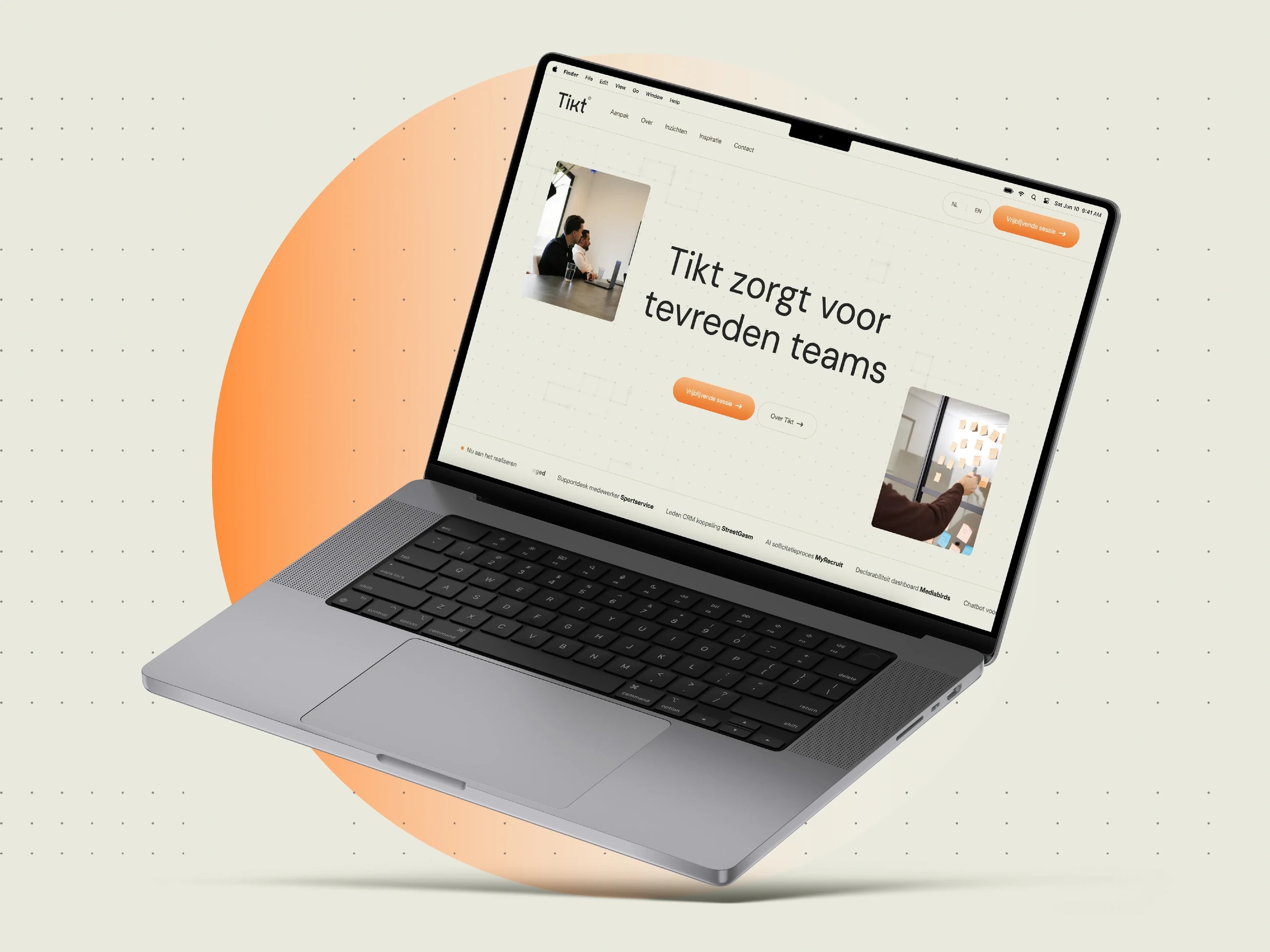

A new AI brand that became visible straight away in a crowded market, through SEO and GEO
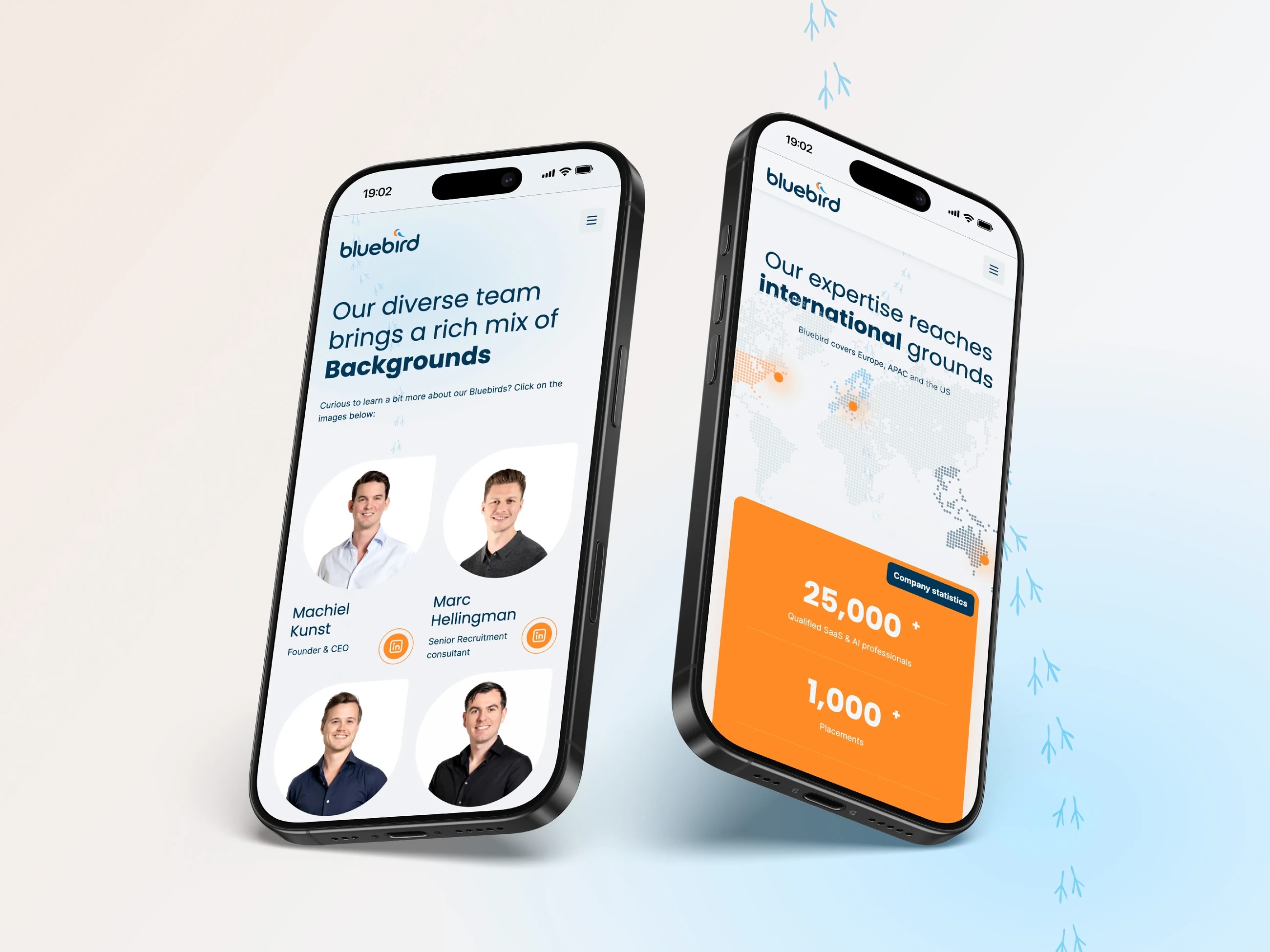

A brand and platform at the level of the specialist in SaaS and sales recruitment
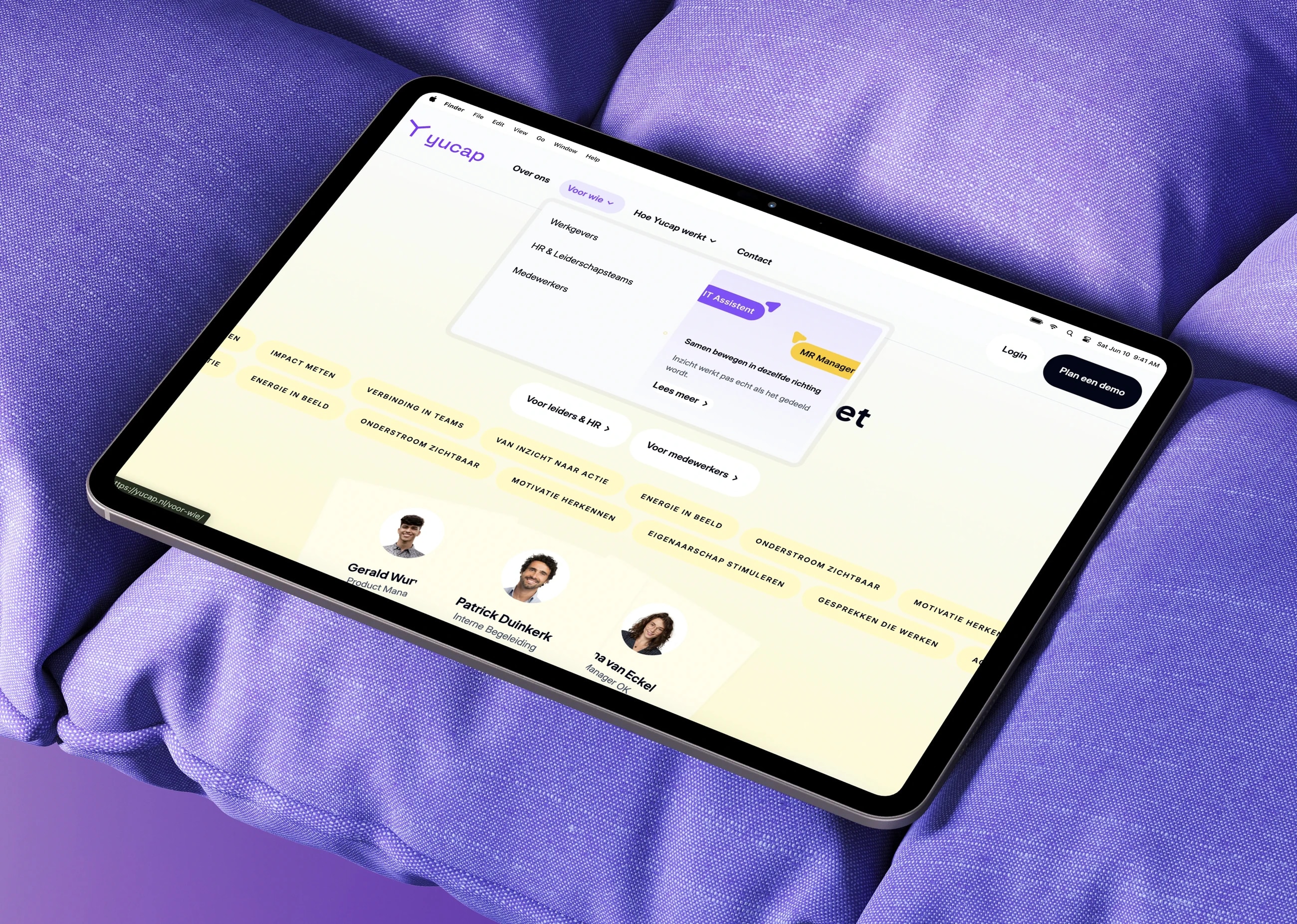

From ambition to authority: proposition, brand and platform for the Benelux
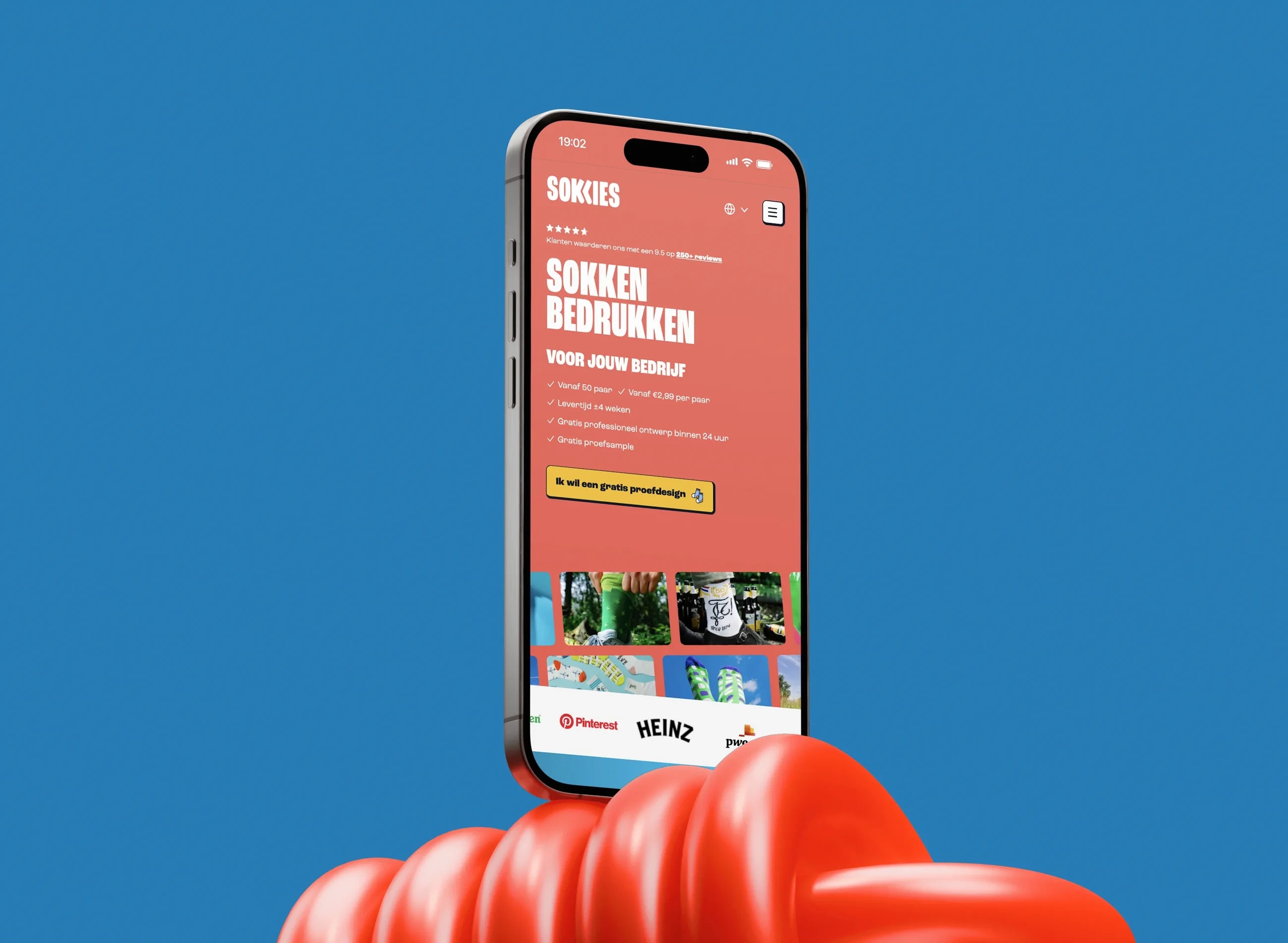

A custom online store that scales to four languages automatically
What we have built
01 / 10
Not answered here? Ask the AI in the top right, or call us.
Often there is. A sharper positioning inside the form you already have is faster and cheaper than replacing everything, and sometimes that is enough. In the first conversation you will hear which of the two we think it is, even when that is the cheaper one.
That is normal, and it is why we work with a few directions instead of one proposal. Choosing between routes is a great deal easier than saying yes or no to the only idea on the table.
Yes. What we make is yours: the source files, the font licences that are transferable, and the rules in a form another agency can read too. You are not tied to us because we hold the keys.
Often, and that makes the work here sharper. We do not design anything we cannot build ourselves, so nothing is lost between the design and what ends up live.
If it stops at a report, yes. So we deliver it as choices you can act on tomorrow: who you speak to, what you promise, what you stop doing. The rest of the project tests whether those choices hold up once they take shape.
Can you say it in one sentence?
If you cannot, neither can your client.
Half an hour is enough to hear whether your positioning is the problem. Often it is something else, and then a repositioning is money down the drain.
Free check·30 sec
How visible is your website?
Over twenty checks on SEO, technology and whether an AI model can quote you.