
Brand positioning
Choosing one position you can grow into, instead of keeping ten open because choosing is frightening.
- Part of
- Branding & Strategy
- Starts with
- Your customers, not your moodboard
- Delivers
- Decisions, not a report
- Foundation for
- Everything that comes after
Most brands aren't unclear. They want too much at once.
Everything you can do is on the site, because you don't want to miss a client. The result is the opposite: whoever does everything is nobody's first choice. The competitor who claims one thing wins the conversation, even when you do it better.
So positioning is mainly an exercise in leaving things out. That is uncomfortable, because something always falls away that someone is attached to. That is where the value sits.
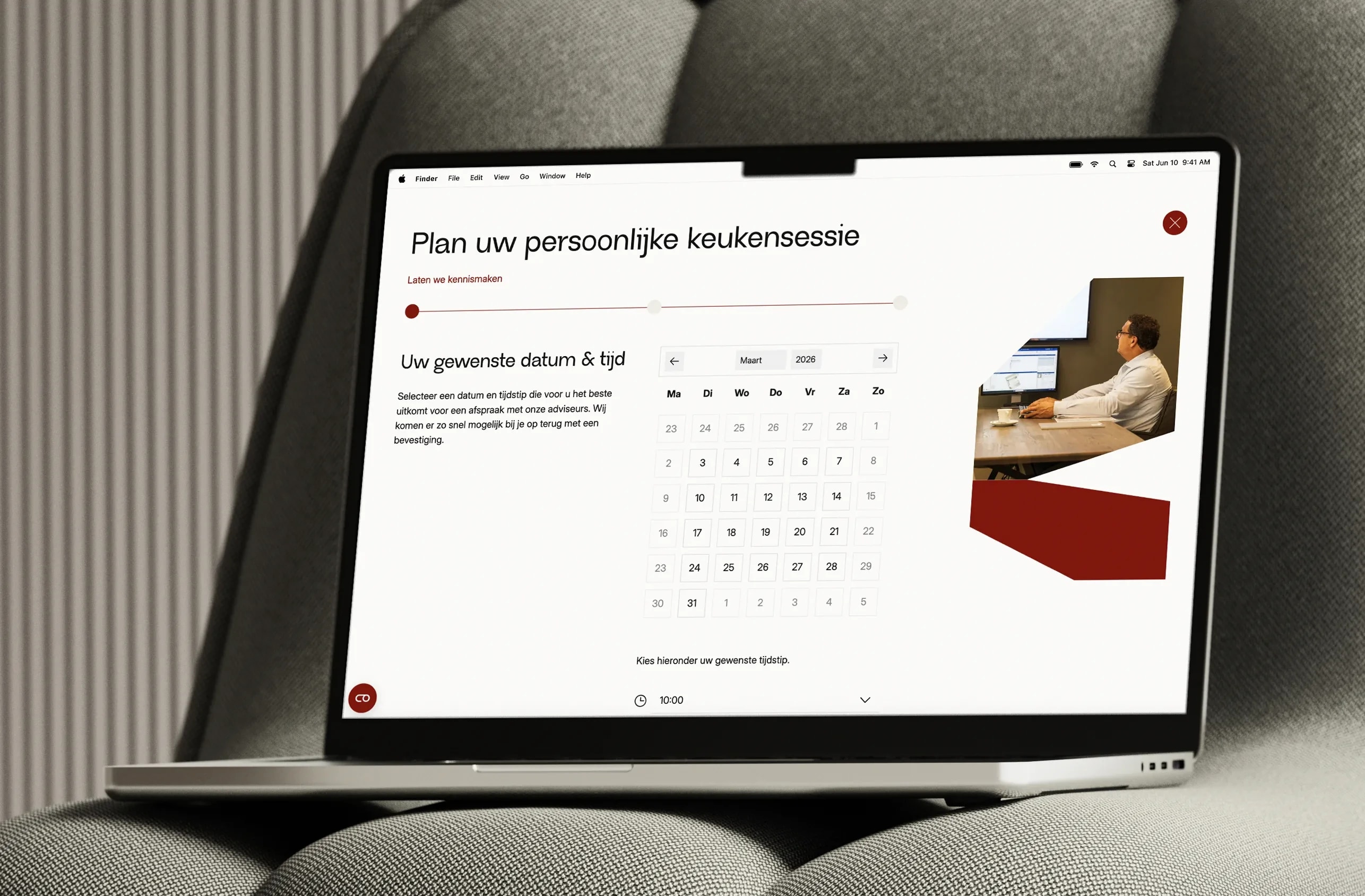
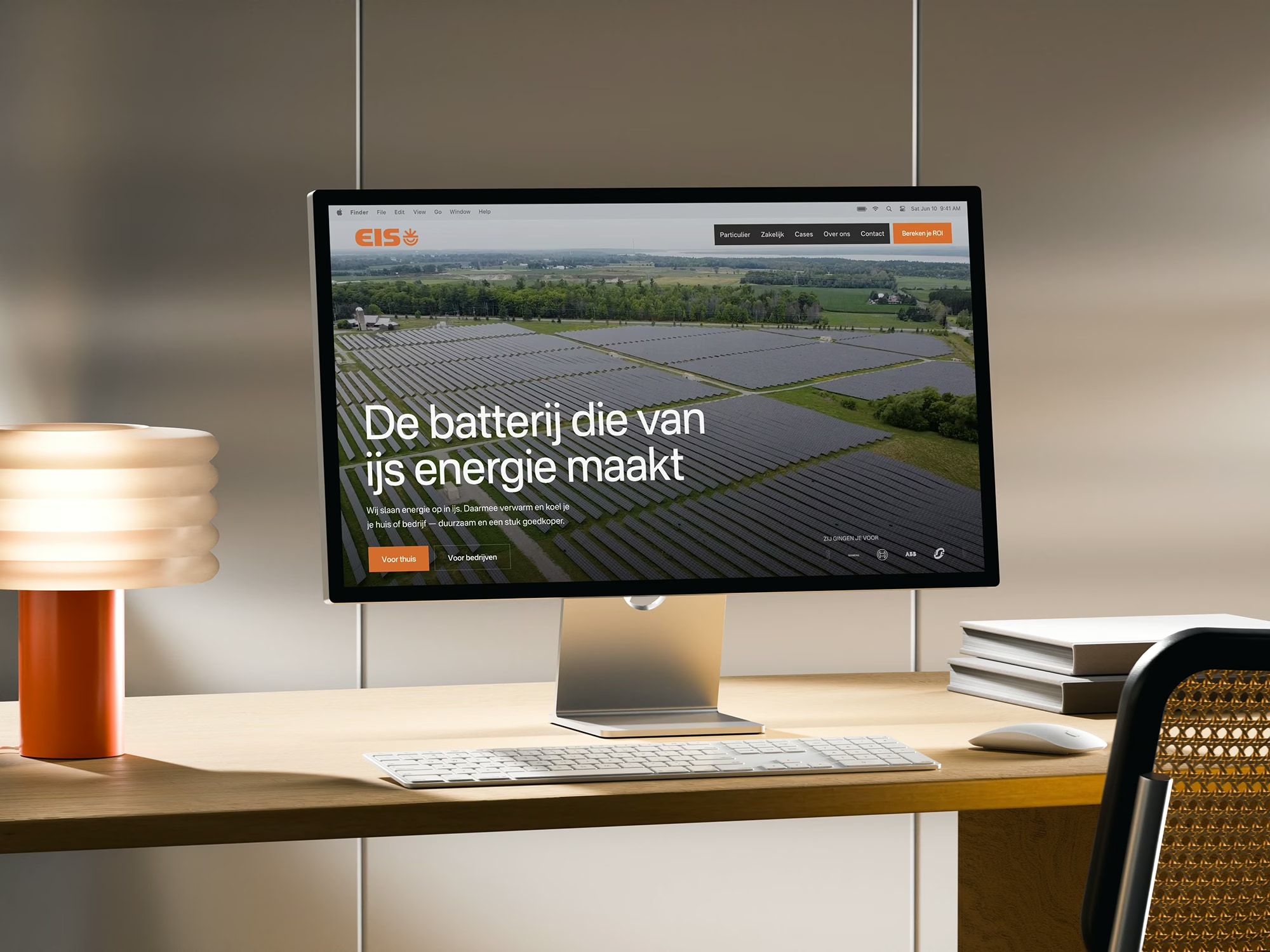

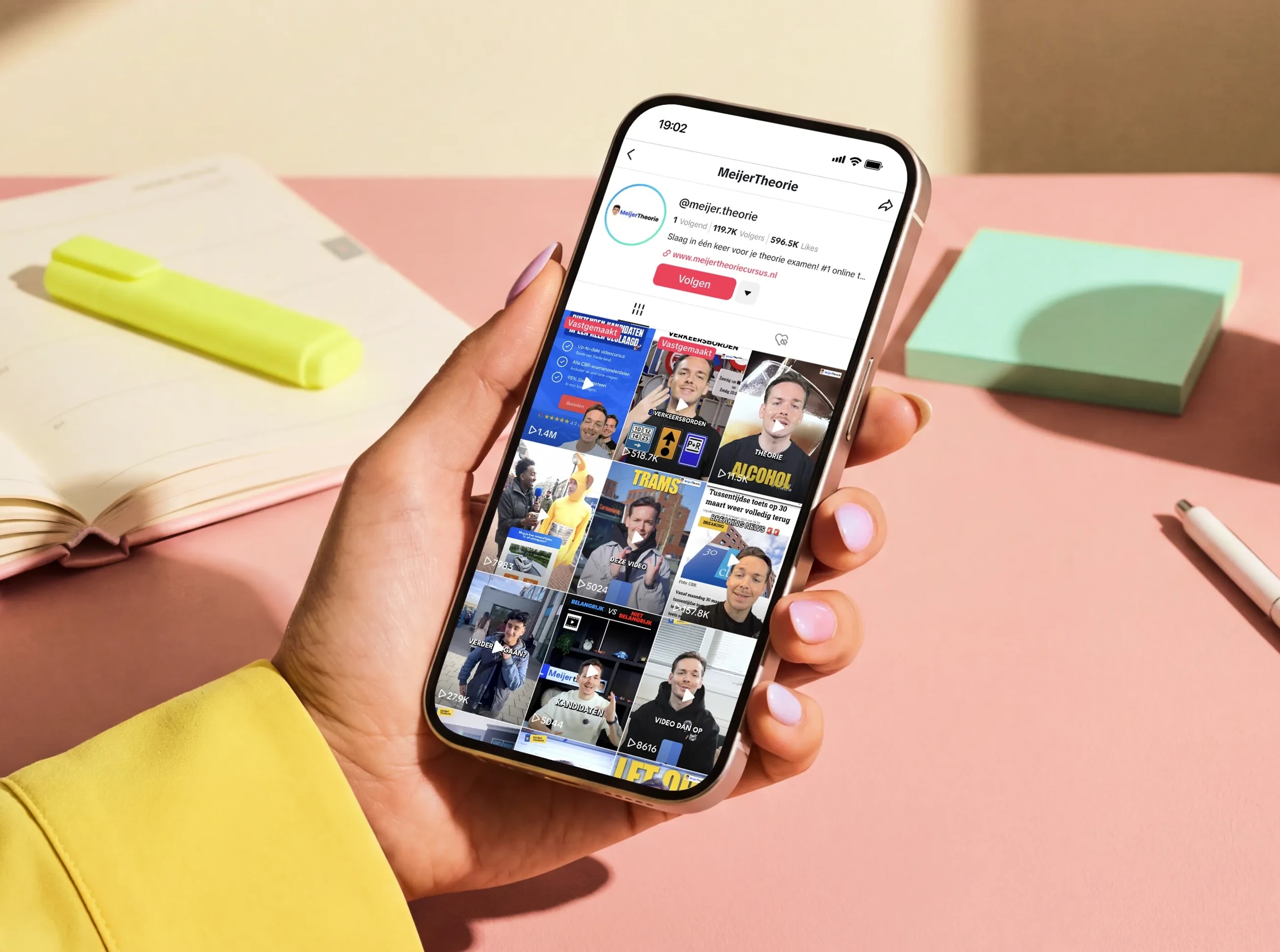
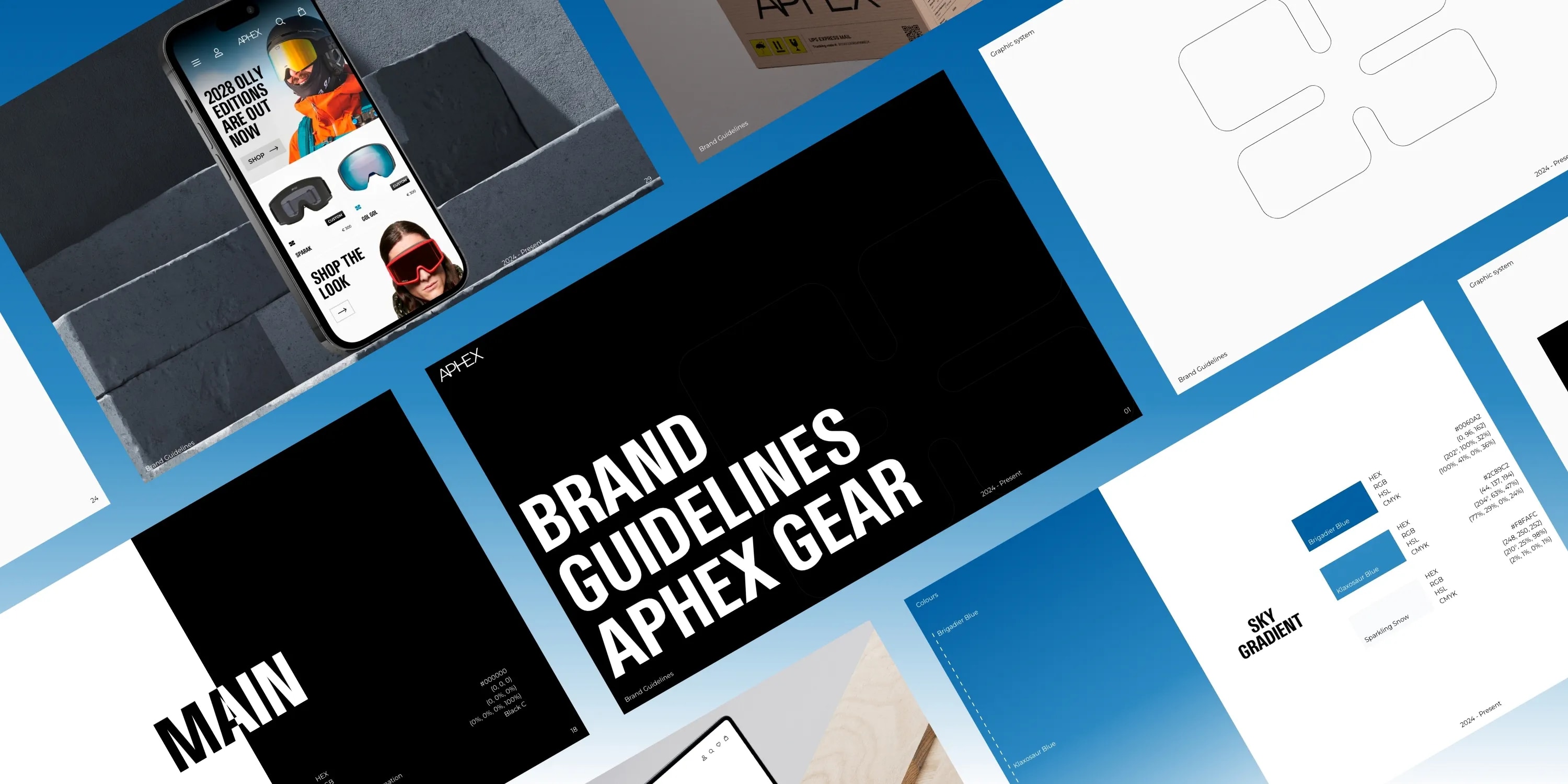
An AI-driven client portal that lets customers find answers themselves, day or night
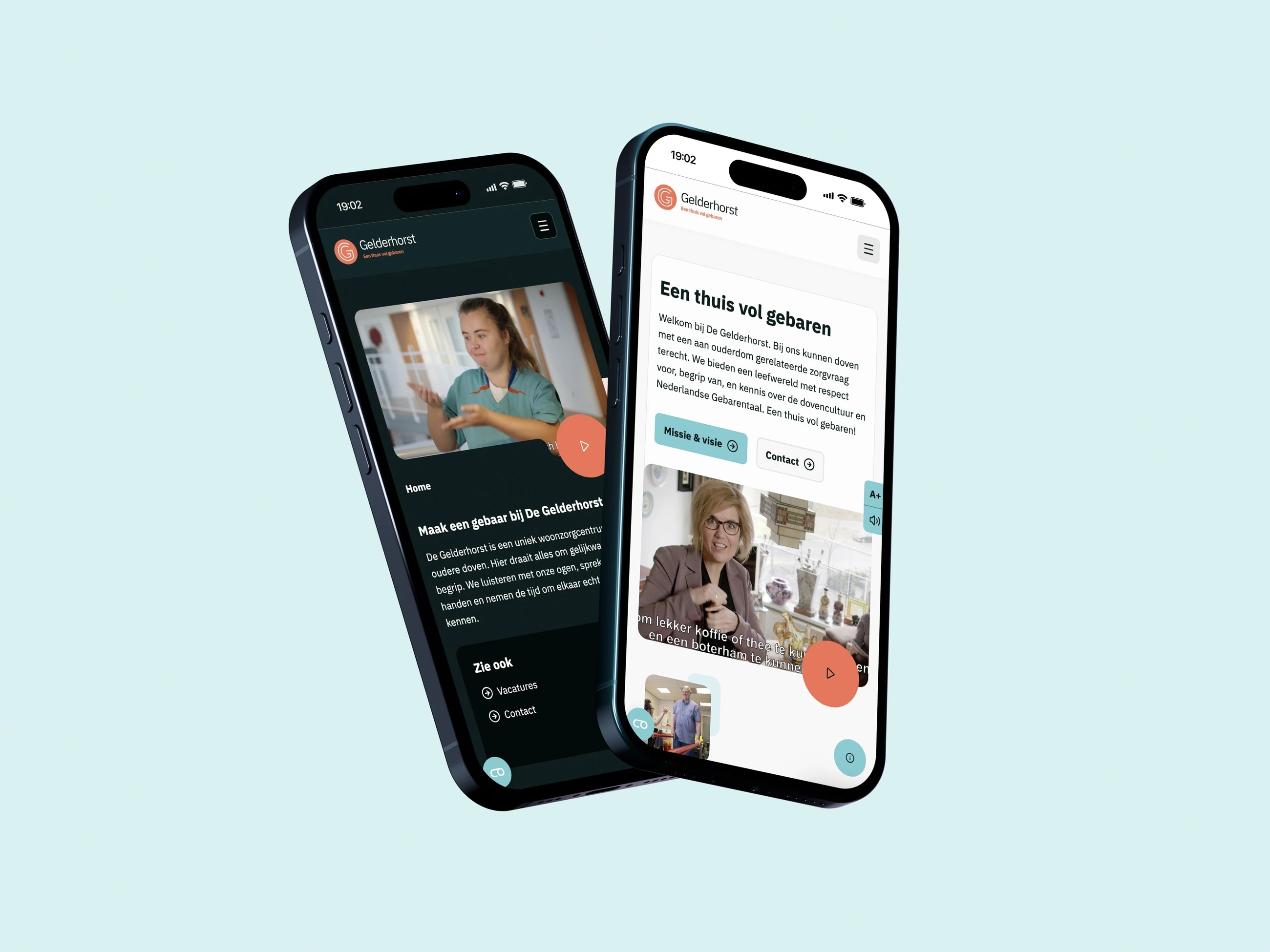

An accessible platform for older deaf people, with its own sign language translation module
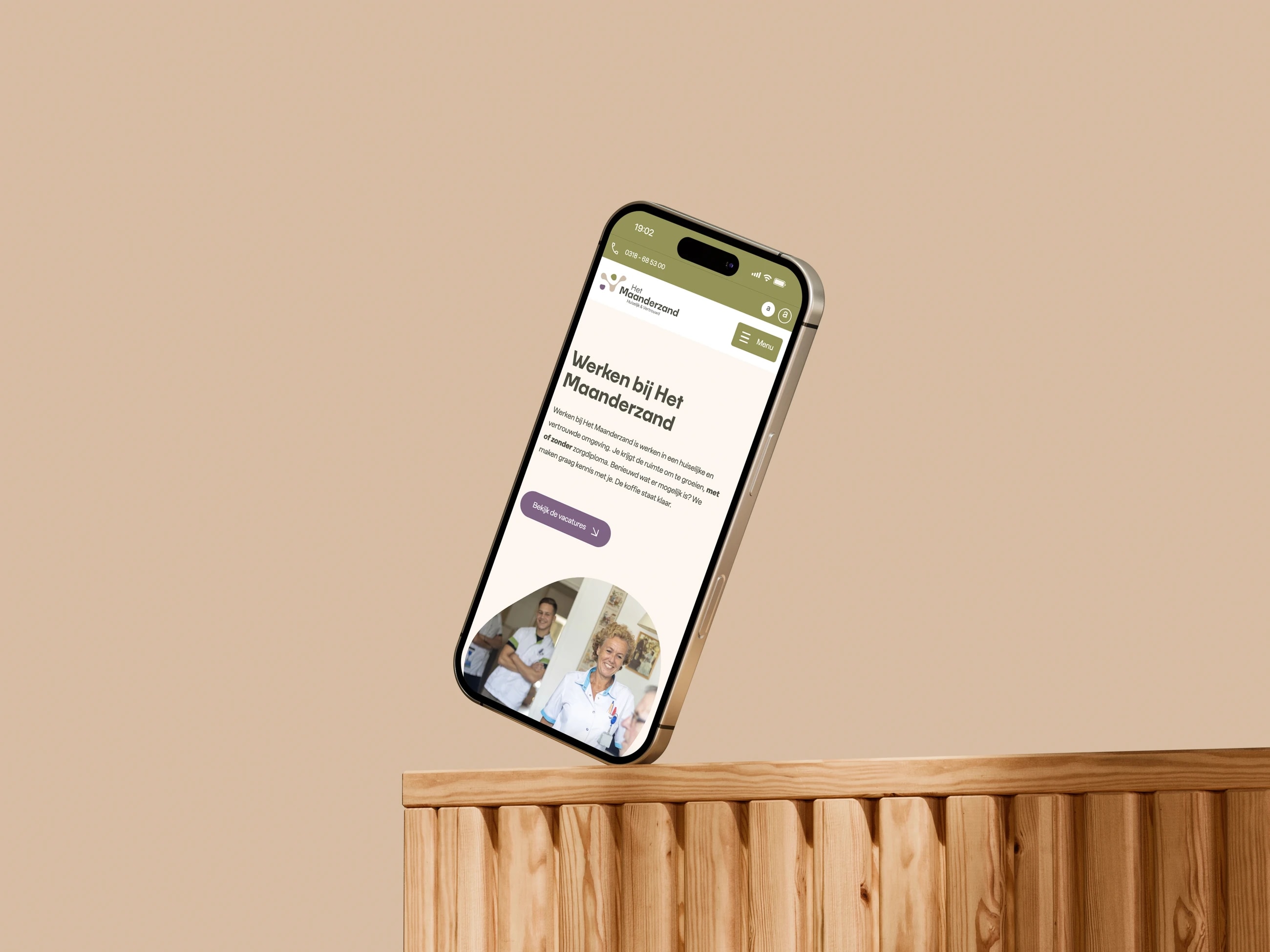

Rebranding back to the core, plus two platforms: one for residents, one for new colleagues
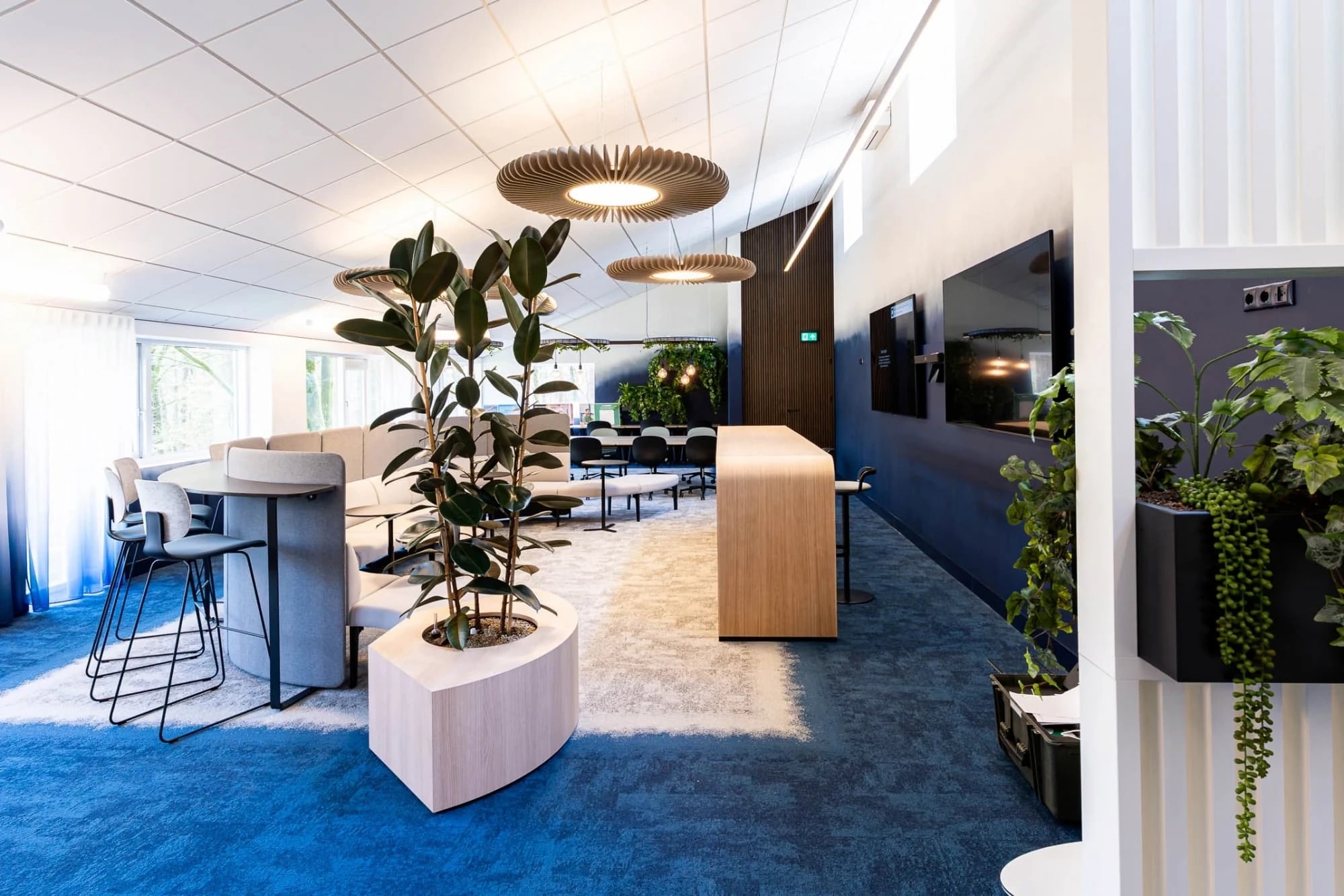

From supplier to adviser: new positioning, brand and platform
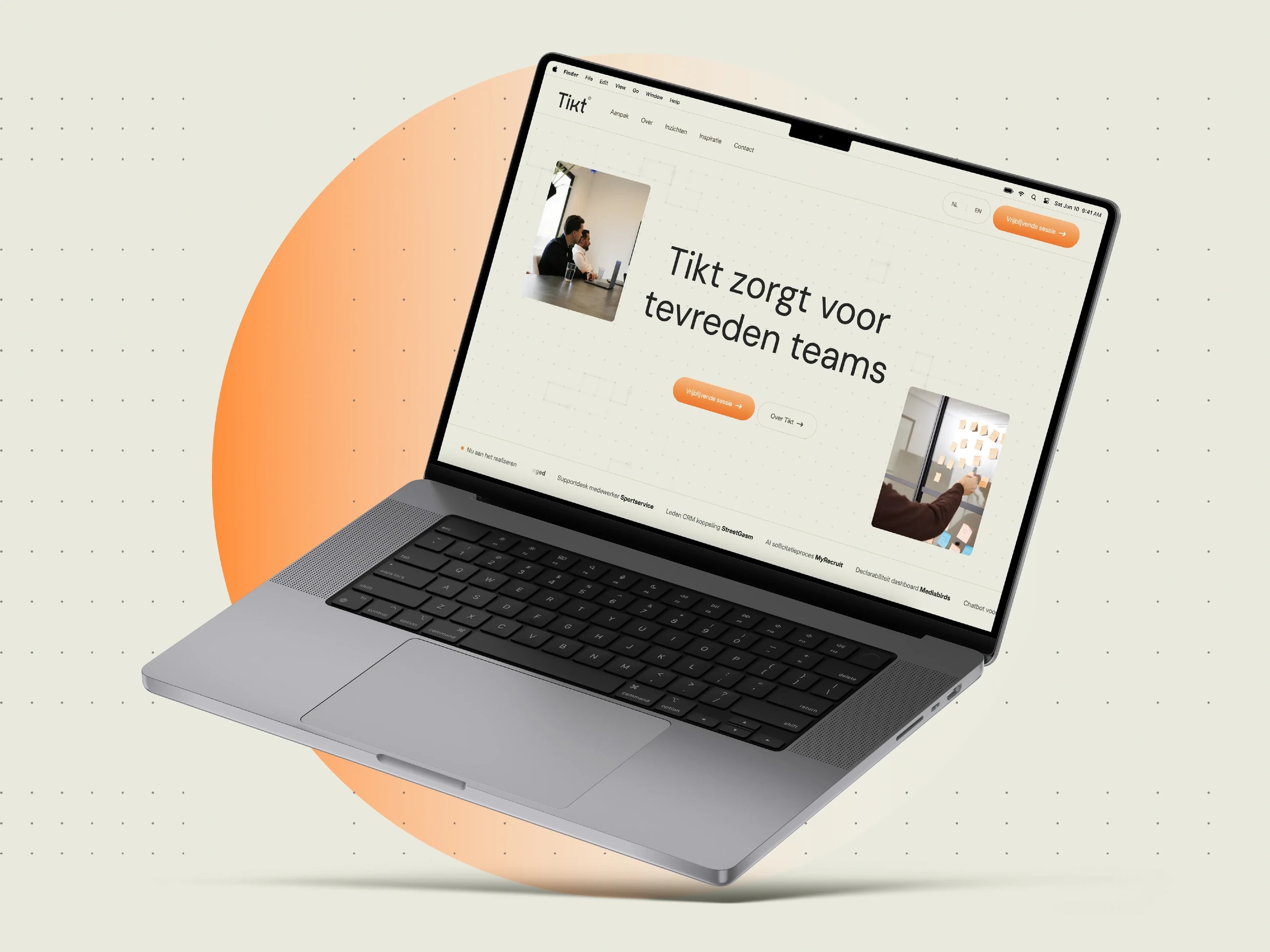

A new AI brand that became visible straight away in a crowded market, through SEO and GEO
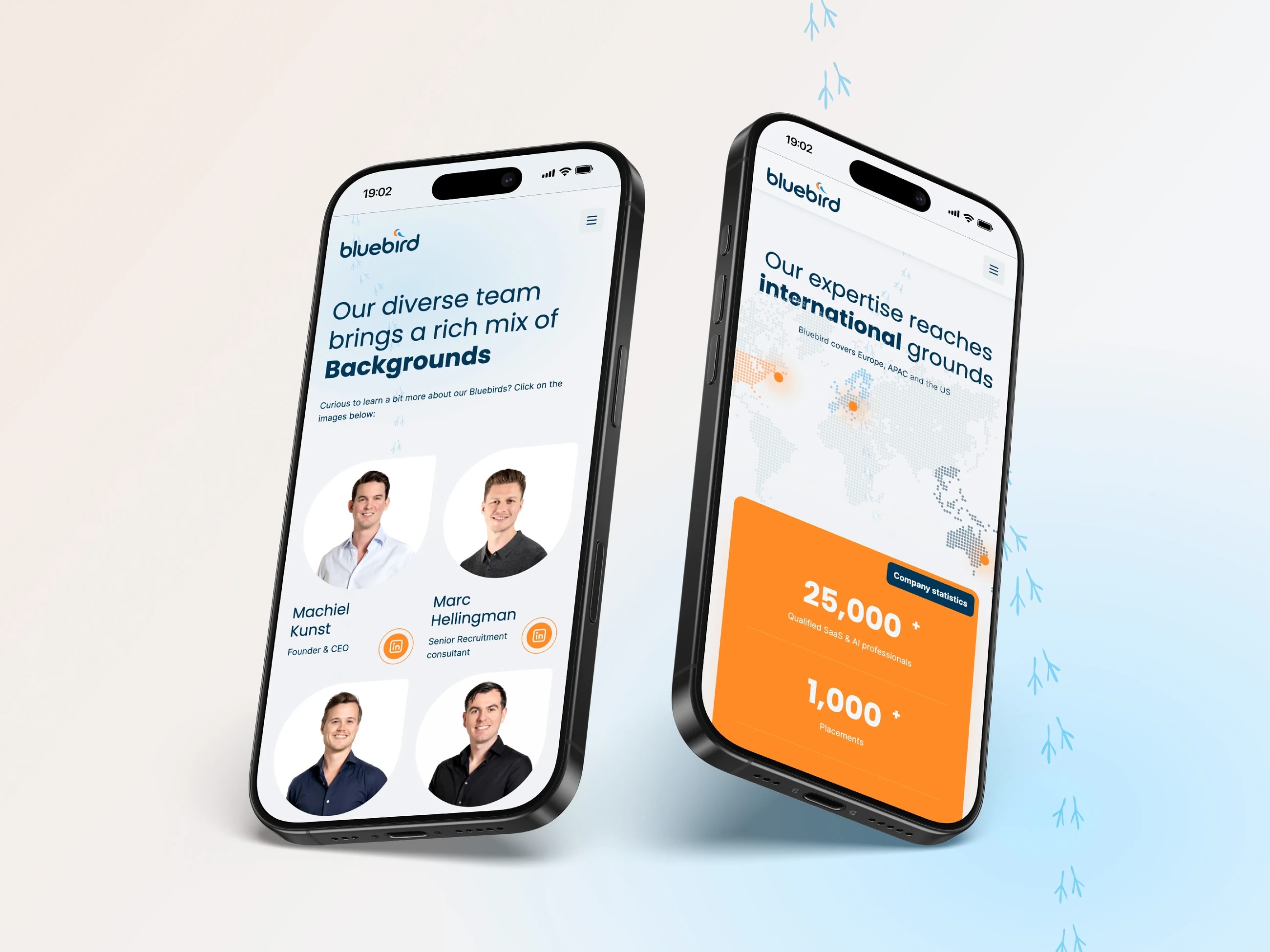

A brand and platform at the level of the specialist in SaaS and sales recruitment
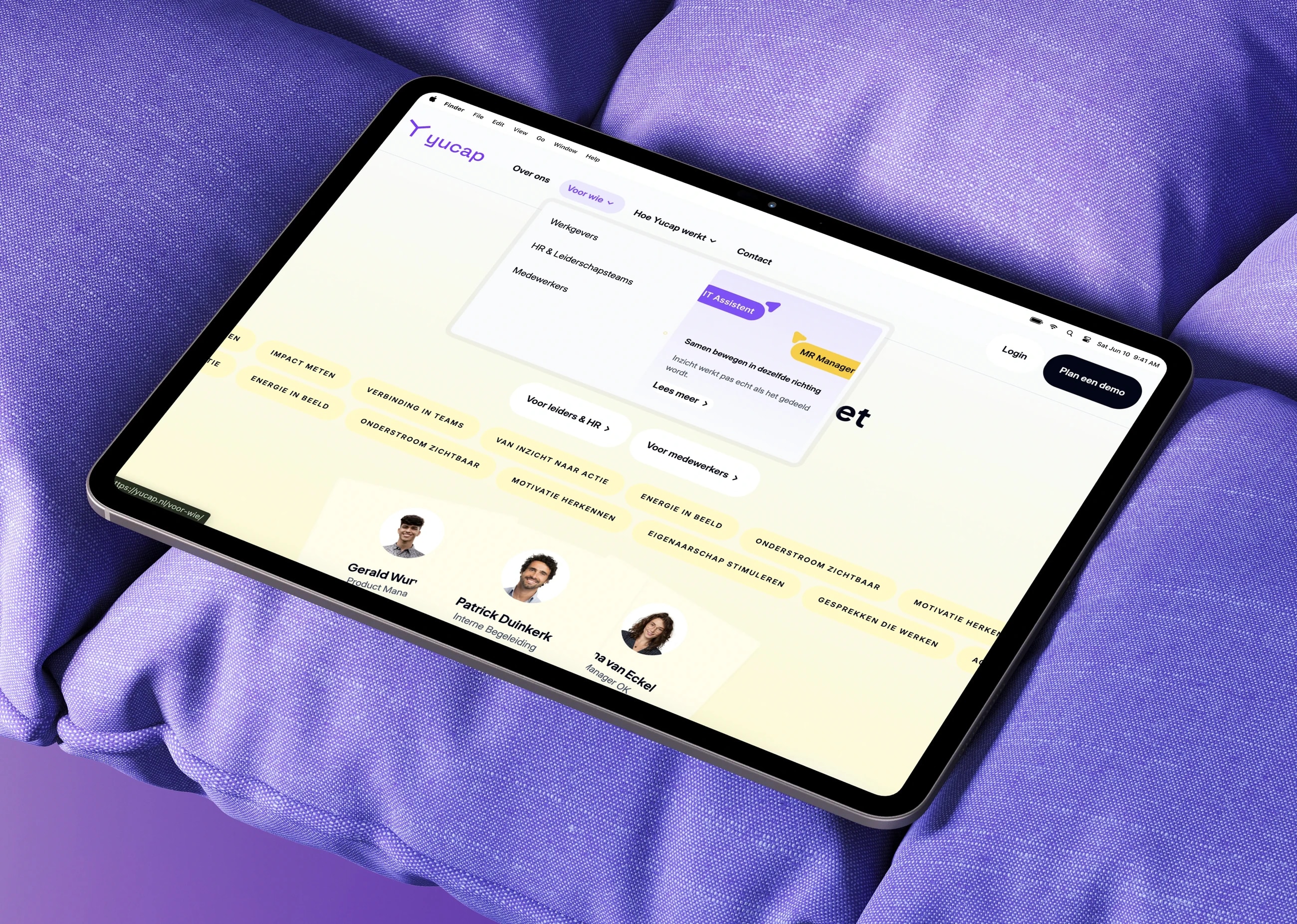

From ambition to authority: proposition, brand and platform for the Benelux
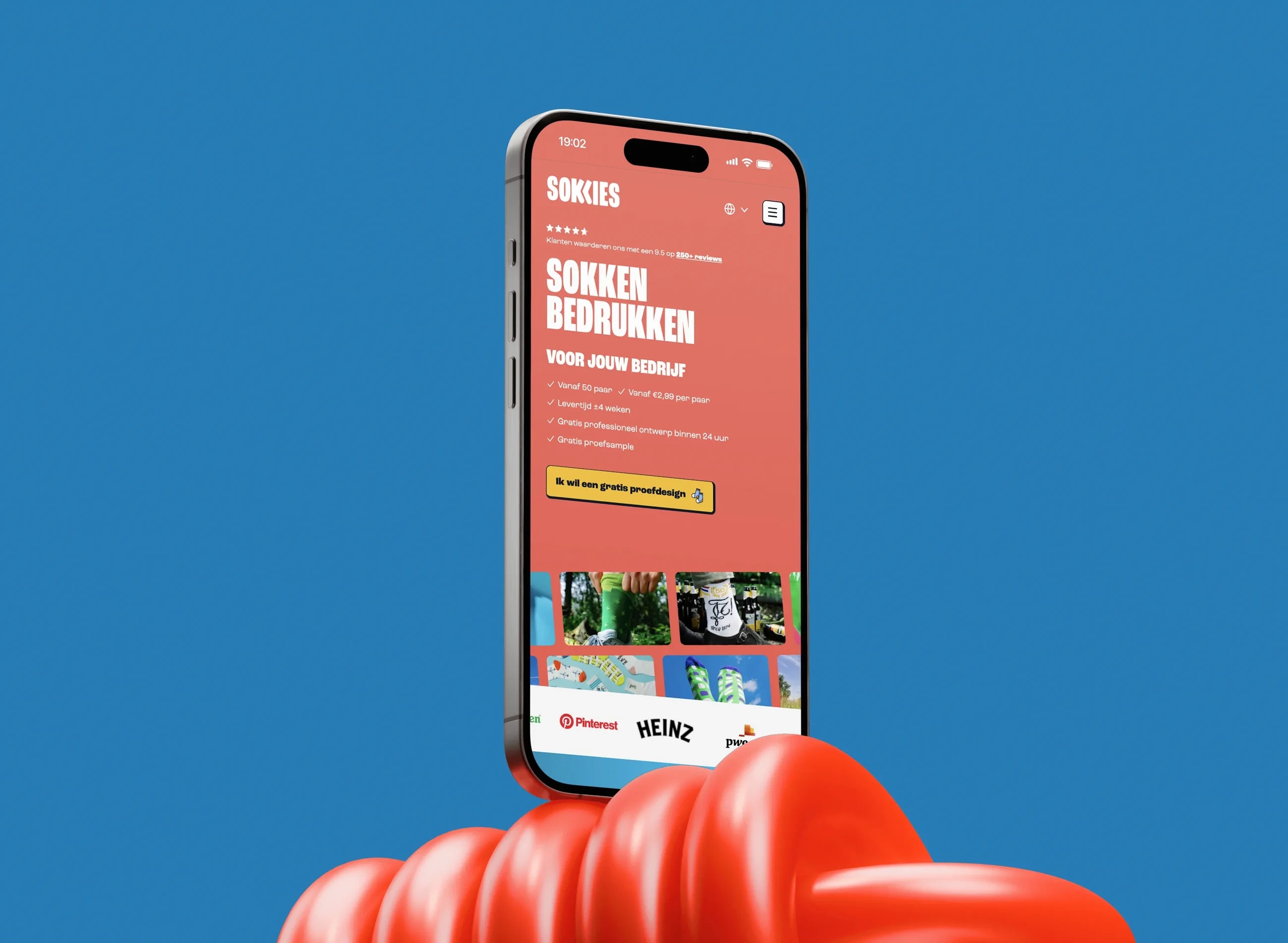

A custom online store that scales to four languages automatically
Where this was part of the work
01 / 10
The answer is outside the meeting room.
What do your clients say about you when you aren't there? Which words do they use, and why did they choose you back then? That is more useful than an internal conversation about who you would like to be.
So we talk to you, to your team and to your clients, and set that beside what your competitors claim. That is where the picture appears of where there is still room you can credibly take.
Brands we worked on




















































Two or three routes to choose from.
Presenting one direction leads to a conversation about yes or no, and that is rarely a good conversation. Choosing between routes is easier: you see what you gain and what you give up, and the choice becomes yours instead of ours.
Every route gets the same treatment: who you speak to, what you promise, how you are different, and therefore what you stop doing. That last one is the heaviest of the four.
Common questions
Not answered here? Ask the AI in the top right, or call us.
Often not. A sharper position inside the form you already have is faster and cheaper than tearing everything up, and sometimes enough. In a first conversation you hear which of the two we think it is, even when that is the cheapest one.
That depends less on the work than on how many people have to decide. With a small team it can be weeks; with a board, a management team and a supervisory board it becomes months. We agree a timeline up front and hold to it.
That is normal, and it is why we work with routes rather than one proposal. Choosing between directions is easier than saying yes or no to the only idea on the table. If it still gets stuck, that is usually a sign there is a decision about the business underneath that hasn't been made yet.
Gladly. A handful of conversations with clients almost always produces more than an internal session: you hear which words they use themselves and why they chose you back then. Those are the building blocks of a position that holds up.
If it stops at a report, yes. So we deliver it as decisions you can act on tomorrow: who you speak to, what you promise, what you stop doing. And we test them straight away against the first pages that come out of them.
Mediabirds in numbers
0
digital partnerships
0
years of experience
0
specialists on the team
0+
collaborations
A position that stays in a PDF is money thrown away.
The test is whether your site, your quotes and your sales conversations sound different afterwards. Whether the document is right says nothing in itself. So we deliver decisions you can act on tomorrow, and test them straight away against the first pages that come out of them.
The fact that we build ourselves helps with that. The step from strategy to what goes live is where most of the sharpness disappears, and with us that step sits at the same table.
Can you say it in one sentence?
If you can't, your client can't either.
Half an hour is enough to hear whether your positioning is the problem or whether it isn't. The second happens more often than you'd think.