

Migrations
Moving without losing your positions, your customers or your order history.
- Part of
- E-commerce
- Comes along
- Products, URLs, reviews, orders
- Redirects
- Ready before launch
- After launch
- Weeks of measuring

A migration isn't a move but an operation.
Everything you have built up hangs on addresses that are about to change: your positions in Google, the links others made to you, the bookmarks of regular customers. If that goes wrong, you lose years of findability in a single night.
That can be prevented with boring work up front: every old URL mapped, every destination decided, and the redirects ready before the switch is flipped.



Where this was part of the work
01 / 05
It isn't only the products that come along.
Reviews, customer accounts, order history, discount codes still running, subscriptions that continue: that is what customers notice. A store that has migrated technically perfectly but where someone can no longer find their previous order feels like a new company.
So we first map everything that sits in the old system, including the things nobody remembered. That inventory is rarely the most enjoyable part and always the most important.
Brands we moved



























































A dip is normal. A lasting drop is a mistake.
Search engines need time to process a new structure; a few weeks of fluctuation comes with it. What doesn't come with it is still sitting below your old level after two months.
So a migration doesn't stop at launch with us. We measure in the weeks afterwards whether everything comes back, and repair what was left behind. Because something is always left behind.
Common questions
Not answered here? Ask the AI in the top right, or call us.
Not if it is done properly. The old URLs are redirected one to one, the structure stays recognisable and we measure in the weeks afterwards whether everything comes back. A dip of a few weeks is normal. If you are still below your old level after two months, something was left behind and we go and get it.
Usually. Customer data, order history and reviews can come along, though every source system asks for its own approach. Passwords often cannot, because they are stored encrypted. Customers then set a new one once.
Depending on your range and the number of integrations: from a few weeks to a few months. Most of the work is in mapping everything that sits in the old system. The transfer itself goes quickly after that.
Yes. The new store is built beside the old one and only goes live once everything is ready. The switchover itself is short; we plan it in a quiet window and watch closely for the first few hours.
In a quiet period, with enough room afterwards to measure and adjust. Just before your busiest months, we advise against it.
What it produced
+0%
more orders
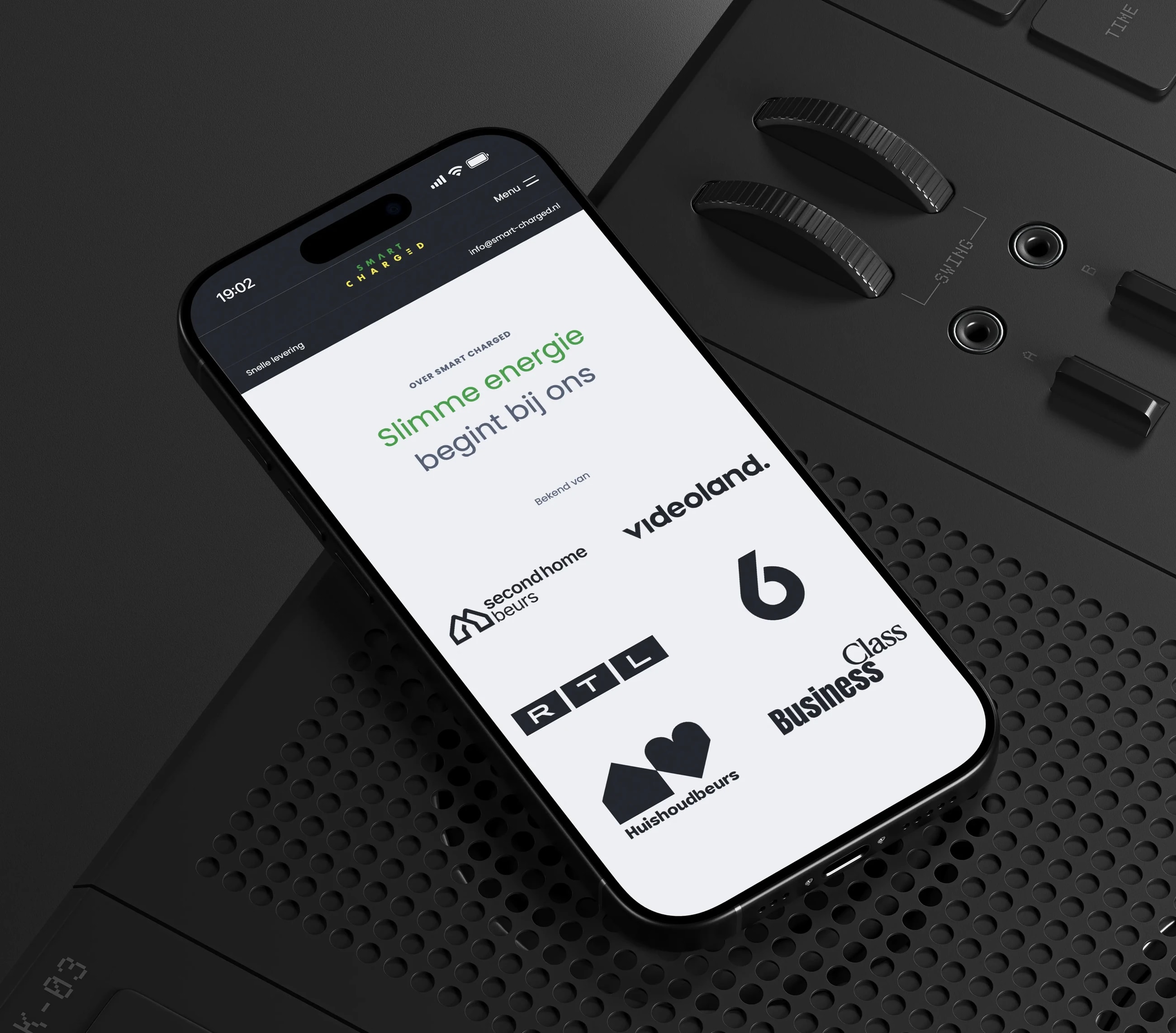
at Smart Charged
+0%
more enquiries
at Streetgasm
0
specialists on the team
0+
collaborations
Moving just before your busiest period is rarely smart.
The best timing is a quiet month, with enough room afterwards to measure and adjust. A migration two weeks before Black Friday is a gamble you don't have to take.
And sometimes the answer is that you don't need to move yet. If the problem is in your theme or your integrations rather than in the platform, rebuilding is cheaper and less nerve-racking.
Are you stuck with your platform?
Moving is less frightening than staying where it pinches.
Tell us what you run on now and where it chafes. In half an hour you'll hear whether moving is the answer or whether rebuilding is enough.