

Conversion work
Finding where visitors drop off, taking that away, and measuring whether it helped.
- Part of
- E-commerce
- Starts with
- Your own numbers
- Every change
- Gets a number
- Not working?
- Then we roll it back

Most stores lose revenue to their own checkout.
Rarely to a competitor or to price. It happens in the steps between “I want this” and “it's ordered”. An extra field, a required account, shipping costs that only become visible at the end: each of those costs you buyers who had already decided.
So the gain is close by. You don't have to buy more visitors to sell more.



Where this was part of the work
01 / 05
Your gut and your numbers rarely agree.
Where people drop off and on which device, you already know. That data is in your analytics. It almost always tells a different story from the feeling in the meeting room, and that is why we start there.
After that we work along the path to the till: product page, search, basket, checkout. That is where the money is; the homepage is rarely the problem.
Brands we run this for



























































Every change gets a number it is judged on.
Without that, optimising is a matter of taste. We agree up front what a change has to produce, measure it, and roll back what doesn't work, even when it looked better.
That does require enough traffic to see a difference. If you are below that, every conclusion is a guess and marketing or your range is a better first step.
Common questions
Not answered here? Ask the AI in the top right, or call us.
Enough to be able to measure a difference; below that every conclusion is a guess. A practical floor is a few hundred orders a month for reliable tests. If you are below that, there are still improvements to make, they just lean on craft rather than on measurement.
Where the volume allows it, yes. Otherwise we work with before-and-after measurements and with improvements whose effect is beyond doubt, such as removing an unnecessary step from the checkout.
Then we roll it back. Every change gets a number up front that it is judged on; if that disappoints, you have still learnt something. Pushing on because it looks better is how a store slowly gets worse.
Yes, and that is the difference with a consultancy. We build ourselves, so findings go straight in, usually in the same week. No report goes to another party.
No. Countdown timers, fake stock and similar patterns produce something in the short term and cost you returns and bad reviews afterwards. Regulation is catching up with them too. We would rather remove friction.
What it produced
+0%
more orders
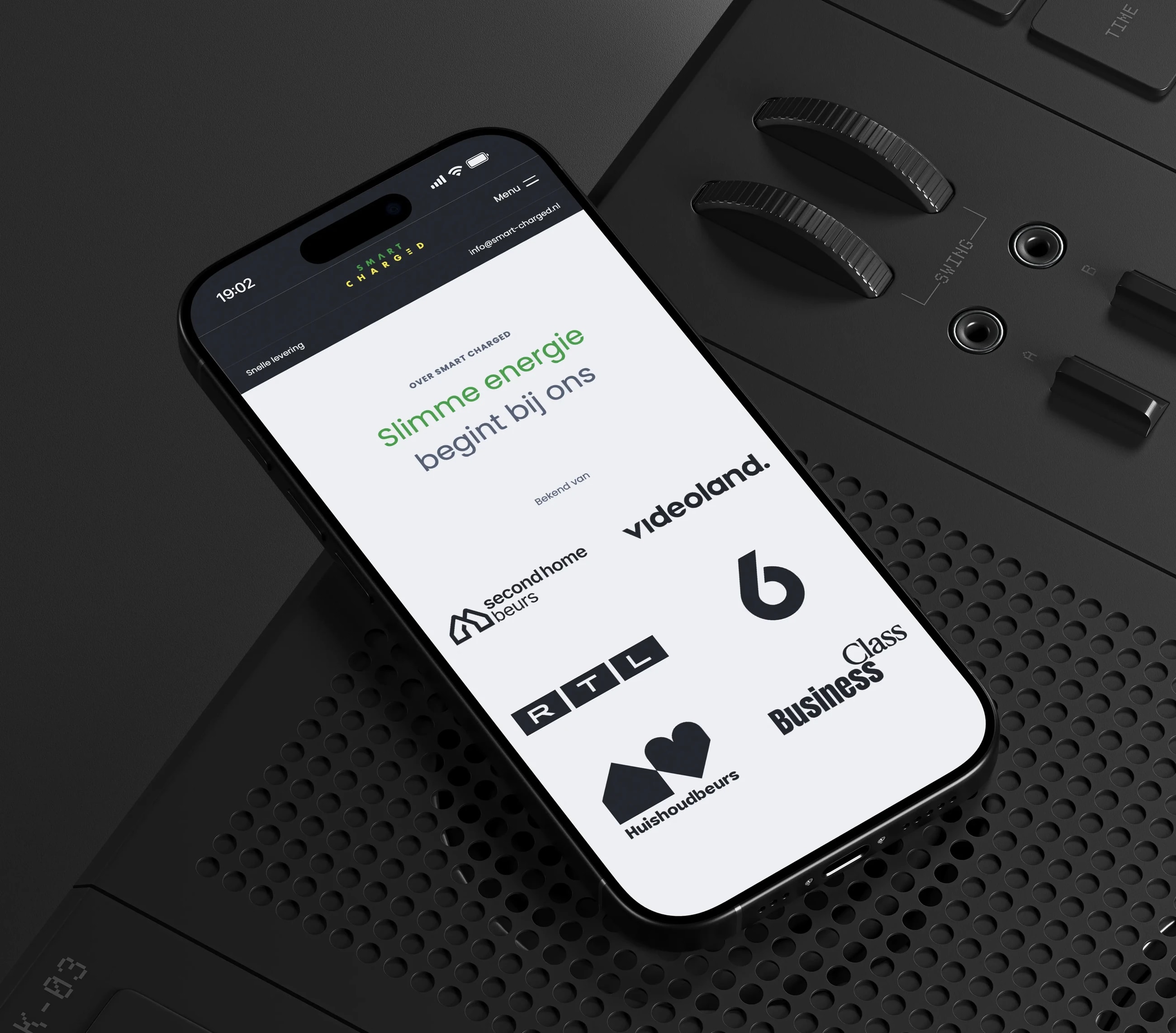
at Smart Charged
+0%
more enquiries
at Streetgasm
0
specialists on the team
0+
collaborations
No countdown timers, no fake stock, no dark patterns.
You can push people into a purchase in the short term with tricks. That works, until it turns into returns, bad reviews and customers who don't come back. By now it also turns into regulation.
So we look for it in removing friction rather than in raising pressure. That is slower and it holds.
Where do your visitors drop off?
It's in your own numbers. Often somewhere other than you think.
Send us your store and access to your analytics. In half an hour you'll hear where we think it leaks and what we would tackle first.